

Our Ambition
To be recognised nationally and internationally as the leading organisation for armed policing of critical national infrastructure in the UK.
Our Mission
In partnership with the civil nuclear industry, national security agencies and regulatory bodies, the CNC will deter any attacker whose intent is the theft or sabotage of nuclear material, whether static or in transit. If an attack occurs, CNC will defend that material and deny access to it. If material is seized or high consequence facilities are compromised, the CNC will recover control of the facility and regain custody of the material.
CNC Inclusive and Engaged
We are committed to building a unified, open, and inclusive culture, working together to achieve our Mission and Ambition. We actively develop a culture of engagement and inclusivity, promoting belonging and recognising the strengths of a diverse workforce.
We value inclusivity and engagement, focusing on health, safety and wellbeing so all employees can flourish and feel trusted, valued and involved in the organisation.
Find out more about Equality, Diversity and Inclusion at the CNC on our website, including EDI data such as our Gender Pay Gap report.
Culture at the CNC
An organisation's culture defines the proper way to behave within it. This culture consists of shared beliefs and values established by leaders and then communicated and reinforced through various methods, ultimately shaping employee perceptions, behaviours and understanding. Culture is extremely important in a police force, as we police by consent and must set the highest standards and lead by example to the public we protect and our stakeholders.
Cultural Review
Commissioned by CNC Chief Constable Simon Chesterman, this full cultural review was carried out by an external consultancy, who ran workshops, focus groups and individual interviews, as well as a all employee survey to give people opportunity to speak openly and honestly about our culture.
Independent internal review into culture and gender at the CNC
An independent HR Consultant undertook a full review of our culture in three phases. The key findings of this internal report were that the CNC does not have a culture that made it impossible for women to thrive and it recognised that, for many, the CNC is a rewarding, supportive and enjoyable place to work, with areas that the organisation should rightly be proud of. It also acknowledged the significant work that has been carried out across the organisation in terms of gender.
There are, of course, areas that we need to improve on including our recruitment and training practices, and we have developed a detailed integrated cultural action plan to make these improvements.
Equality, Diversity and Inclusion (EDI) Strategy
As part of UK policing, the CNC is committed to having a workforce that reflects the diversity of the communities we serve and the stakeholder environment we operate within. A truly diverse makeup demonstrates to the public that police are there to serve everyone and this in turn builds trust. Valuing people as individuals and harnessing differences is simply the right thing to do.
Everyone deserves to be treated fairly and with respect and should not suffer disadvantage or discrimination because of who they are. Diversity in our workforce means we have people from different backgrounds and with different personal circumstances bringing a wide range of experiences and perspectives which enables us to perform better as a team. With the diversity of experiences within our workforce we will enjoy insight, innovation, and improvements. The EDI Strategy outlines our aims and vision in this area and how we will achieve a fully inclusive workplace for all.
Gender Responsive Policing Strategy
Alongside this, the CNC was proud to launch our Gender Responsive Policing Strategy – the first of its kind across policing in the UK.
The strategy sets out the clear vision for the CNC to be a gender responsive police force with a fully inclusive workforce. We are committed to embracing all gender identities, ensure we all practice inclusive behaviours and challenge harmful practices and views that damage both the individual experiencing them and the organisation as a whole.
HMICFRS Inspection
The Civil Nuclear Constabulary requested to be one of the eight forces who took part in His Majesty's Inspectorate of Constabulary and Fire and Rescue Services (HMICFRS) review of vetting, misconduct, and misogyny in the police service, which was commissioned by the Home Office. Their report was published in November 2022 and was highly critical of the police service as a whole, making a total of 43 recommendations across five areas.
The report clearly shows that police vetting, misconduct and misogyny are an issue across the police service, and we continue to work with our national and Home Office counterparts, including the HMICFRS, College of Policing and National Police Chief's Council to ensure lessons are learnt from the report and vetting and misconduct practices are tightened across the board. We have already taken steps since the inspection took place and are determined to raise standards, both in vetting and misconduct, and ensure any officers with sexist or misogynistic views are rooted out. They have no place at the CNC or in UK policing.
Our Values
The CNC is closely aligned to the nationally recognised values and principles within the Code of Ethics. These provide a consistent, transparent foundation upon which we can continue to strengthen and develop all our people-related activities. This framework ensures that there are a set of clear expectations for everyone working across all ranks and grades within the CNC.
-
We are proud to deliver high quality armed policing. We are committed to protecting the public and to our core role of keeping the nation’s civil nuclear material safe.
As individuals and as part of a wider organisation, we have a responsibility to ensure that we act in the best interests of the public as a whole. Improving the safety and wellbeing of the public underpins all that we do.
We are dedicated to working in the public interest, engaging and listening to their needs and concerns. We work to make sure that the public feel valued and engaged, which helps build confidence in the service we provide.
-
We are match fit and ready to respond, both through our core role and by supporting the UK’s armed surge capability. Remaining ready and agile is a whole team effort.
We are genuine with those we communicate with and endeavour to create trusting relationships. We accept feedback and are comfortable in responding to criticism and finding ways to improve.
We constantly think about how to create the best possible outcomes for those we serve and take personal responsibility for delivering this.
-
Regardless of background, everyone is equal and has a vital part to play in helping us achieve our ambition. Equality, inclusivity and fairness are at the heart of everything we do.
As a police service, we must show impartiality throughout our dealings with colleagues, stakeholders and members of the public. We consider the different sides of a situation and ensure that each side is given equal consideration. We do not favour one person or group over another, acknowledging that discrimination increases feelings of unfairness and makes our jobs harder to do. We must not allow personal feelings, beliefs or opinions to unfairly influence our actions in any situation.
We are clear in our rationale for the decisions or actions we take, ensuring they are clear and evidence-based.
-
Our strengths lie in armed policing and world-class firearms training. Our ambition is to be recognised nationally and internationally as the United Kingdom’s leading organisation for the provision of Armed Policing Protective Services.
We understand and reinforce expectations of professional behaviour and openly recognise good and bad performance. We also maintain the highest levels of professionalism, making sure that we always uphold the values and ethical standards of the police service.
We need to build and maintain the confidence of the public, colleagues and stakeholders if we are to deliver a modern and effective Armed Policing Protective Service.
Code of Ethics
The aim of the Code of Ethics, produced by the College of Policing, is inclusivity and to provide each member with direction on promoting and supporting ethical and professional behaviour
Ethical Policing Principles
The ethical policing principles are a series of guiding statements that should be used to help people in policing do the right things, in the right way, for the right reasons.
Everyone in policing routinely makes important decisions. We make these decisions because it is our duty to uphold the law, prevent crime and disorder, protect and reassure communities, investigate crime and bring offenders to justice.
Carrying out these duties can be physically, mentally and emotionally demanding. Our decisions can raise complex ethical issues because they affect other people, often at difficult times in their lives. Deciding what to do is not always straightforward and the best course of action may only become apparent after decisions have been made.
Everyone in policing holds a privileged position in society that depends on the consent of the public. Our mission, to help keep the public safe, relies on us having public acceptance and cooperation. We must all strive to deliver an honourable and legitimate police service deserving of the public’s support.
We work with, and for, the public. We earn the public’s confidence when we listen to what they have to say, make decisions that are fair and unbiased, and are open and honest about our decisions. Securing public trust also means working within the limits of the law and being accountable for our actions.
Each of us is responsible for upholding the integrity of our profession. We support each other, but never to the detriment of the public. We treat each other with respect and behave in ways that demonstrate and reinforce the standards of our society and the standards expected of us.
The ethical policing principles help us to achieve this.
Courage Making, communicating and being accountable for decisions, and standing against anything that could bring our profession into disrepute
Respect and Empathy Encouraging, listening to and understanding the views of others, and seeking to recognise and respond to the physical, mental and emotional challenges that we and other people may face
Public Service Working in the public interest, fostering public trust and confidence, and taking pride in providing an excellent service to the public
Affinity Networks
A diverse workforce means our team has a wider range of skills, abilities and experiences. This helps us to be more effective and agile in the service we provide, and represent the communities we serve and work within.
The CNC has a number of Affinity Networks, whose aim is to provide social, moral and professional support to our diverse team.
Our Affinity Networks provide opportunities to:
- Learn about different cultures, identities, and practices
- Identify gaps in understanding of the varied needs of people from different backgrounds and groups
- Generate dialogue and innovative ideas to inform and improve current and future needs and services
- Effectively embed good practices through lessons learnt and shared
- Help to establish and promote an inclusive culture that values differences in our organisation and communities we serve
- Provide support to the organisation to ensure we are as inclusive as possible


LGBT+ (Affinity Network)
FAME (Faith and Minority Ethnic Network)
DAWN (Diverse Ability & Wellness Network)
GAIN (Gender Affinity Inclusion Network)
What does diversity look like at CNC?
-
Lorraine
Lorraine is Operational Unit Commander (OUC) at Torness Power Station
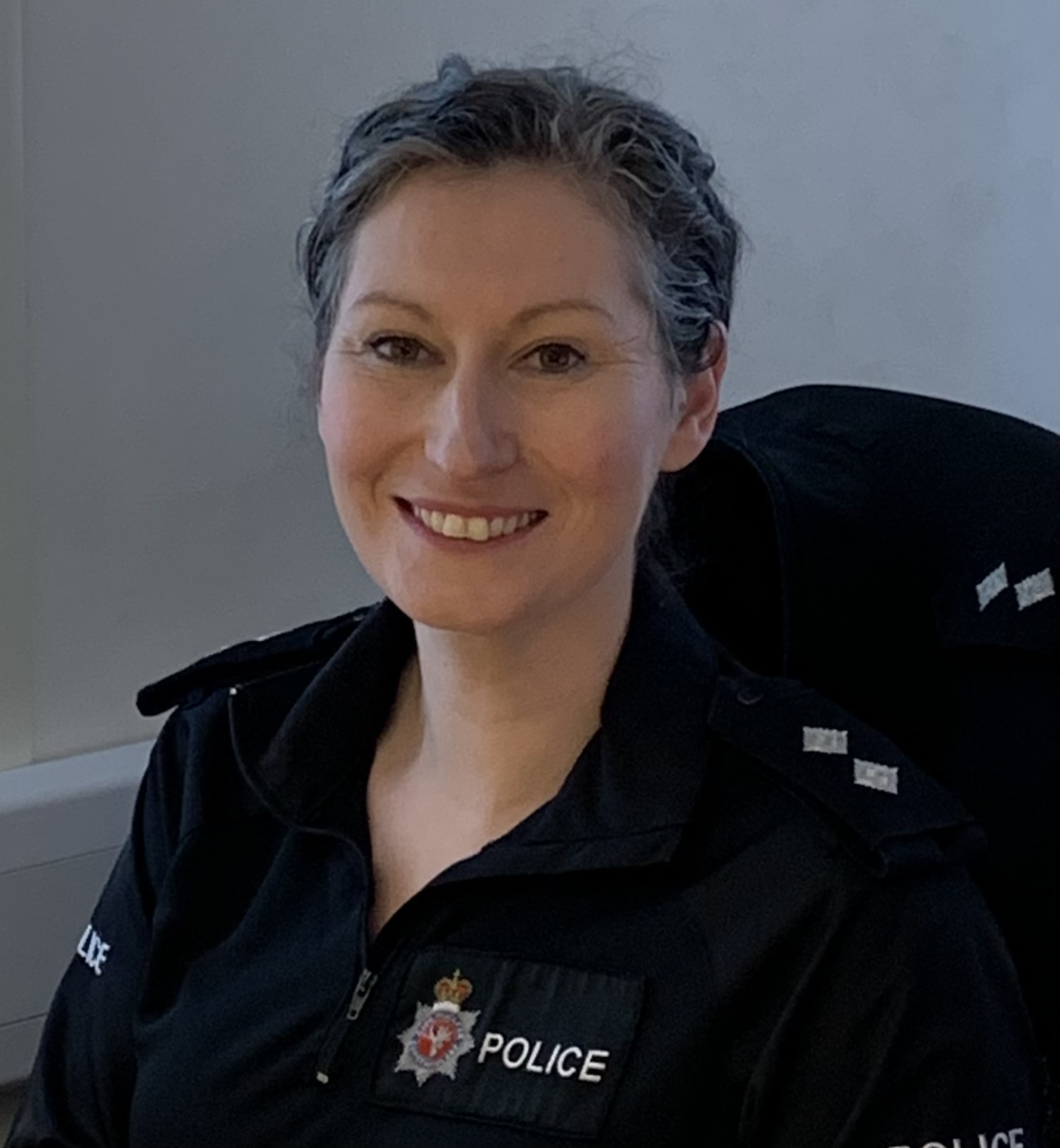
Growing up on the west coast of Scotland, my parents instilled in me a strong sense of right and wrong. I grew up in the 1980s watching tv shows like The Bill, Law and Order and Hamish Macbeth, and they really made me want a career where I could make a difference and do good for the community.
I joined Northern Constabulary in 2004 and transferred to the CNC in 2007. I was attracted to the CNC by the volume of specialist roles advertised on the website that I could get involved in like AFOs and dog handlers. They all looked so amazing and there was so much to do.
I started as a PC at Chapelcross and within a year I passed my Sergeant’s and Inspector’s exams and was deployed to Torness on promotion to Sergeant. At the time I was one of two female sergeants in the unit and one of only four female AFOs. Five years later I moved to Hartlepool as Unit Commander, and when I came back from maternity leave in 2017 I interviewed for my current role as Torness OUC.
Now more than ever it’s a good time to be a woman in the force as we’re making the changes and putting out the right messages as an organisation, such as the White Ribbon campaign and the traction the Gender Affinity Inclusion Network (GAIN) has been making. The CNC are very supportive of female officers and I’ve always told people that the CNC are a good organisation to work for.
My career in policing and the CNC helped shape me into a strong leader and I hope to inspire my girls to become strong independent women themselves one day. -
Yan
Yan works as the Chief Inspector for Strategic Development.
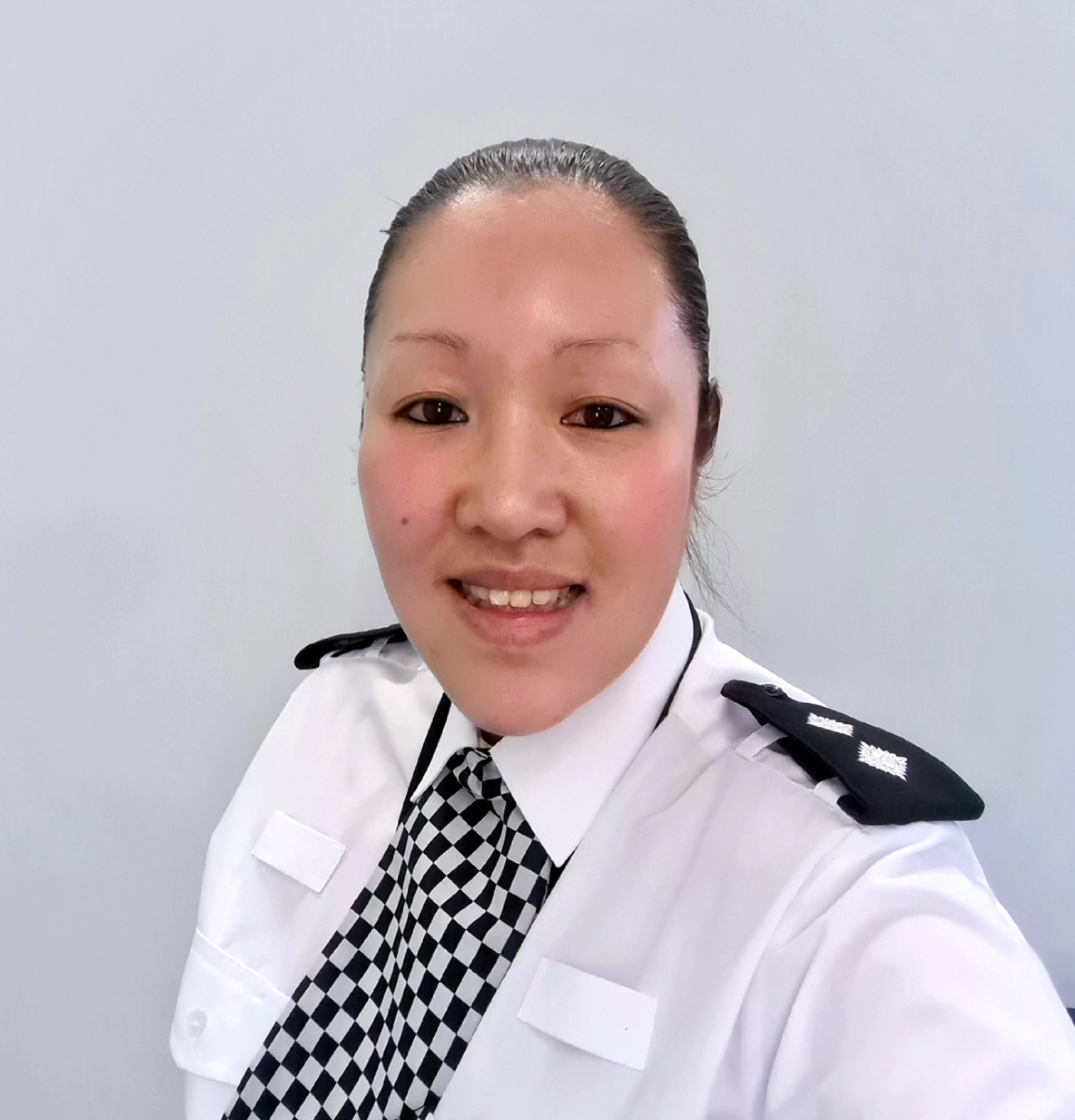
I was first attracted to the CNC when I was looking at joining a Home Office Constabulary – the CNC was advertised underneath and looked more interesting to me. I started as a PC at Hunterston in 2014 and was there for around four years before moving onto to be the staff officer for the Assistant Chief Constable, Operations.
I was promoted to Sergeant in 2019 and continued in the role of staff officer for two and a half years. In August 2021 I was promoted to the rank of Inspector and successfully applied for the role of Operational Unit Commander at Heysham Operational Policing Unit. This role involved having independent command of one of CNC’s 10 operational units.
In 2023, I took on the role of Equality Diversity and Inclusion (EDI) Inspector working closely with internal and external stakeholders to ensure the implementation of the EDI Strategy and Delivery Plan.
In December 2023, I was promoted to Chief Inspector, Strategic Development and currently lead on the Sea Marshals project.
Whilst I was at Hunterston, I was lucky enough to have some good mentors on my section who supported me through all of the operational side of unit life as well as through the promotional pathway. When I started the staff officer role as a temporary sergeant, it opened up a lot of opportunities for me. It gave me a good understanding of the strategic side of the organisation and a wider understanding of the organisation as whole. The role also presented opportunities to work alongside many external stakeholders and partner organisations.
Recently, I completed the Chartered Management Institute Level 5 coaching and mentor programme. Now qualified, I hope to join the CNC’s Coaching network and to offer coaching to colleagues within our organisation, external forces and associations.
As an Executive Team member of National Women of Colour in Policing UK (NWoCiPUK) and currently working within two of the five C programmes (Continued Professional Development and Cultural Change), I would love to see more people from under-represented groups go for promotion and lateral development. -
Alex
Alex is a Constable-AFO at Sellafield.
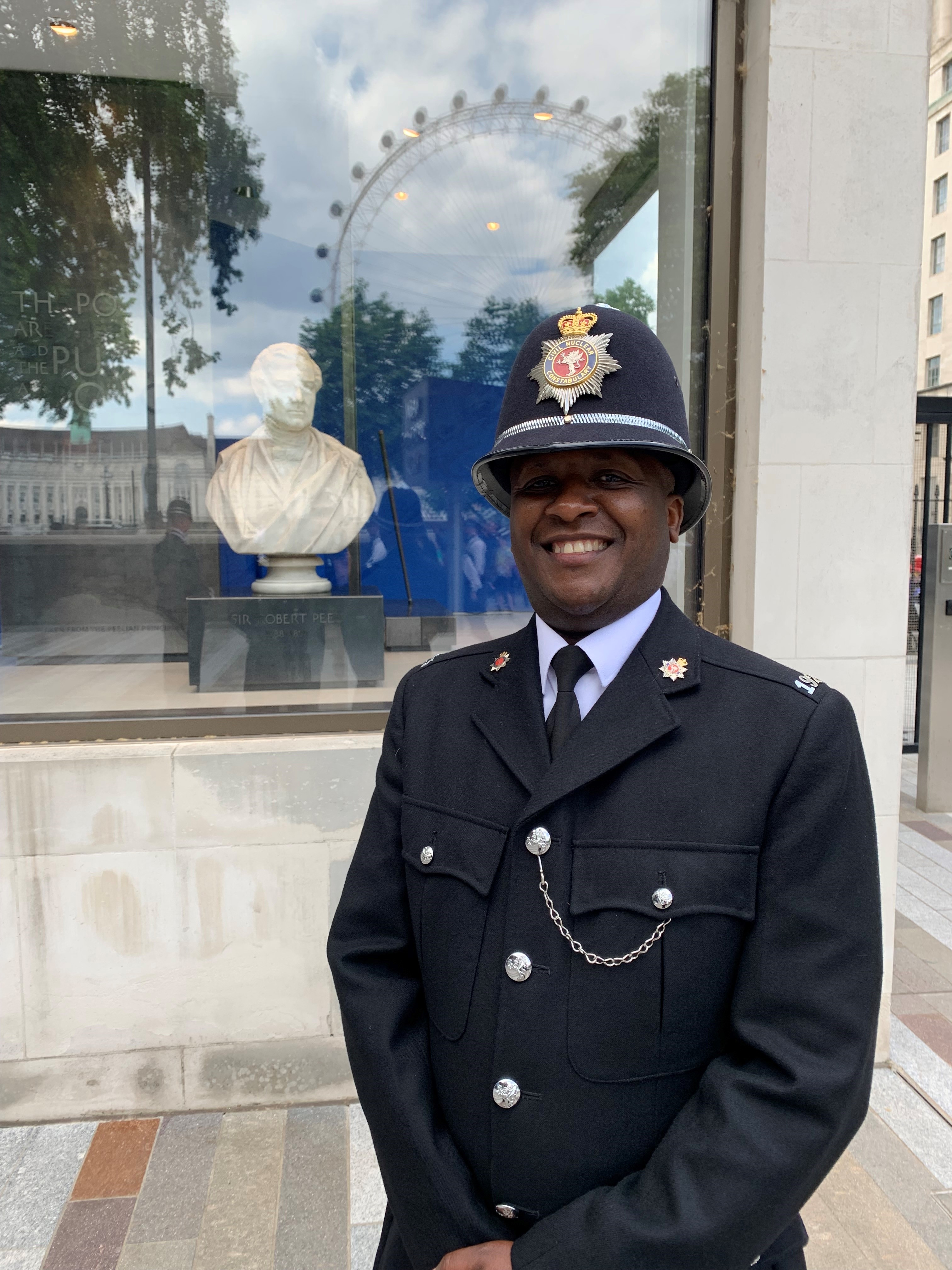
I joined CNC in 2014, almost 9 years ago. There are a lot of elements that interested me in joining, but one of the key elements that really appealed to me was the world class firearms training delivered by our highly trained and qualified firearms instructors.
I am a qualified AFO/CT highly trained in the use of firearms to protect nuclear material, our sites and the public as expected by our stake holders. I have taken the initiative to understand my role fully and how I can improve my skills especially firearms training to carry out my role effectively. This has been achieved by taking time to reflect and asking colleagues to share expertise to ensure my knowledge and understanding of my role profile is at the highest possible level, making me feel more confident in my role.
In addition to my role as an AFO, I am also a custodian for race within CNC recognised support groups championing for race and equality matters to provide social, moral, and professional support to our officers and staff while also creating a working environment free from discrimination where we can all thrive.
I have been able to network through the support and use of the CNC platform with national organisations and community groups to champion diversity and foster cohesion by initiating projects to educate our officers and staff. I have also attended various courses such as conflict management and race equality matters, which are vital especially when dealing with people.
As a member of CNC Equality Consultative Support Network, I have worked to make sure that our policies and procedures are fair and value people for their differences focusing on teamwork. I have initiated training power hour sessions which are mind blowing to educate our officers and staff.
I love my job because everyone shares the same vision and is dedicated to the mission. There is a great camaraderie among officers and staff that is exceptional, and you feel valued. -
Lynsay
Superintendent Lynsay joined the CNC as a staff member 19 years ago.
I am the Operational Unit Commander at one of the CNC’s largest units having joined the CNC as a police staff administrator in 2005, before applying to become a police officer a few years later.
Over the years I have carried out specialist roles such as Operational Firearms Commander, National Firearms Instructor and Post Incident Manager which I thoroughly enjoyed. I have worked hard towards promotion several times over the years as well as having a year off from work on maternity leave after having my twin boys.
It can be challenging at times to have a career and to be a mum, but it is possible because the force offers support and flexibility. Being diverse as an organisation is an advantage and looking after our people is at the heart of what we do.
The CNC is full of good, hardworking people who always want to do their best and there are opportunities for everyone if you want them which enable you to have an interesting and varied career. -
Adam
Police staff member Adam works in finance and joined the CNC 17 years ago

One of the main reasons I have been at the CNC for so long is how the family friendly policies have supported me throughout my career. The CNC has enabled me to travel the world on a career break, support the Territorial Army, and manage the extremely difficult loss of my wife after a 22-month fight with cancer, in which I always felt fully supported and valued. More recently and perhaps the most rewarding was the support of the CNC to allow me to have shared parental leave. This was the most magical time and I was able to bond with my son on a different level than I could ever have imagined with our new shared experiences. I could have easily missed out on this had I been in a different organisation. The CNC has supported me through this process and gave me the freedom to stay as connected as I needed to be, on my terms. I always felt valued and was welcomed back smoothly as if I had never been away. All these experiences have helped me develop as a person in many different ways and shaped who I am today.
-
Lizzie
Lizzie is currently working as HR Manager - People Performance.

I joined the CNC three years ago from a retail background. When I had my first child I was only able to take eight months off for maternity leave as my employer at the time only offered statutory pay. Luckily, when I had my second child I was working for the CNC and their family friendly polices meant I could take a year off with the baby and the rest of my young family which may not have been possible to do with other employers.
Whilst I was off, I had great contact with my team, my manager and maternity cover. Six months after I’d had the baby, I was invited to away days so I could start to get involved again in a way that ensured I still felt involved in the organisation but without any pressure. I recently did some Continuous Professional Development as part of my KIT days before returning to work so I feel very invested in as an employee.
Working for the CNC has meant that I’ve been able to come back as a full-time working mother. Our hybrid working has meant that I’ve been able to work from home a couple of days a week to help do the school run and still be in a full-time rewarding role.
The CNC is very supportive for working parents as our flexible working and hybrid working policies have made it comfortable to manage my work and home life.
Going forward we’re continuing to work on a hybrid and flexible basis in the CNC. Along with all of our other family friendly policies which we constantly review and update we are continuing to develop our menopause and IVF policies to ensure they are supportive to all of our employees.
Who the CNC are partnering with